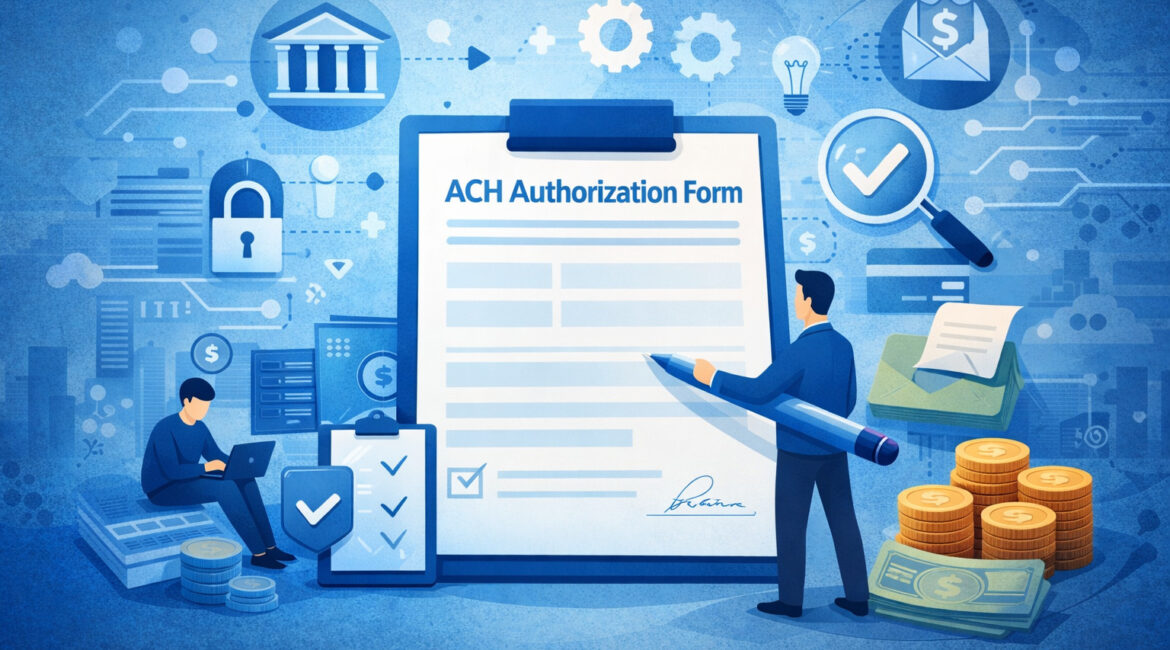
If you want to setup an ACH authorization form the right way, you’re doing more than creating paperwork—you’re building the compliance foundation that makes ACH debits legal, defensible, and scalable. Whether you’re a small business owner, finance manager, SaaS subscription company, property manager, or accountant, a clean authorization process protects...
ACH Transfer vs. Wire Transfer: What’s the Difference?
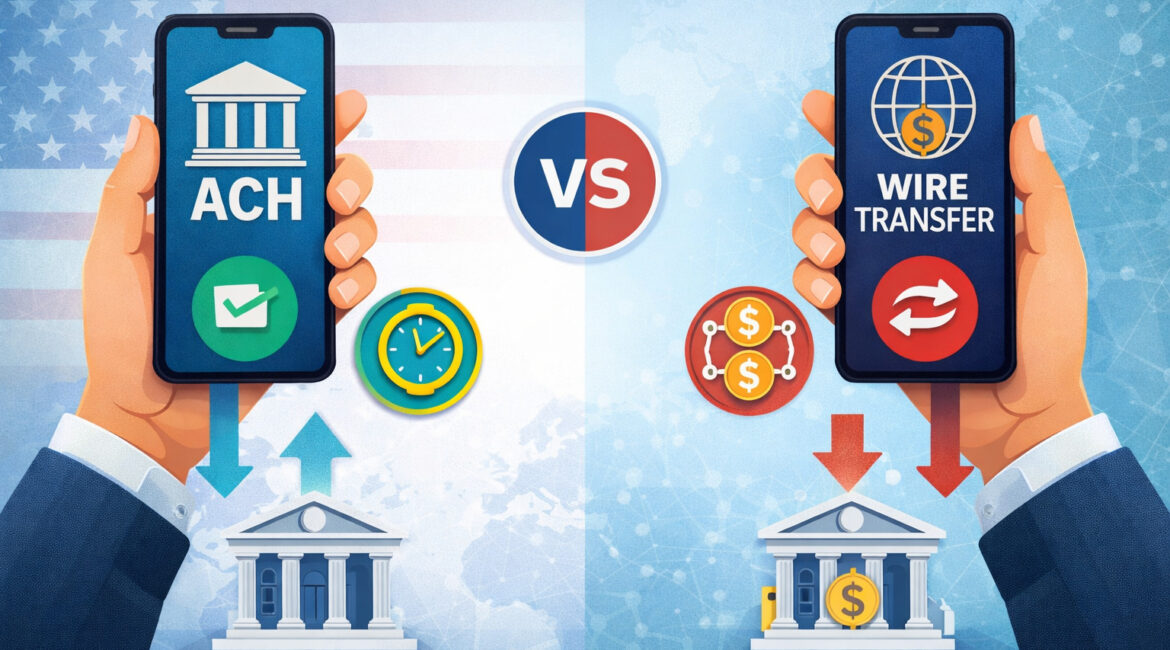
Understanding ACH Transfer vs. Wire Transfer isn’t just a banking detail—it affects cash flow, vendor relationships, payroll timing, fraud exposure, and how quickly money becomes available (not just “sent”). For small business owners, finance managers, entrepreneurs, freelancers, and individuals, choosing the right transfer method can reduce fees, prevent avoidable delays,...
What Is an ACH Credit? (A Complete Guide)
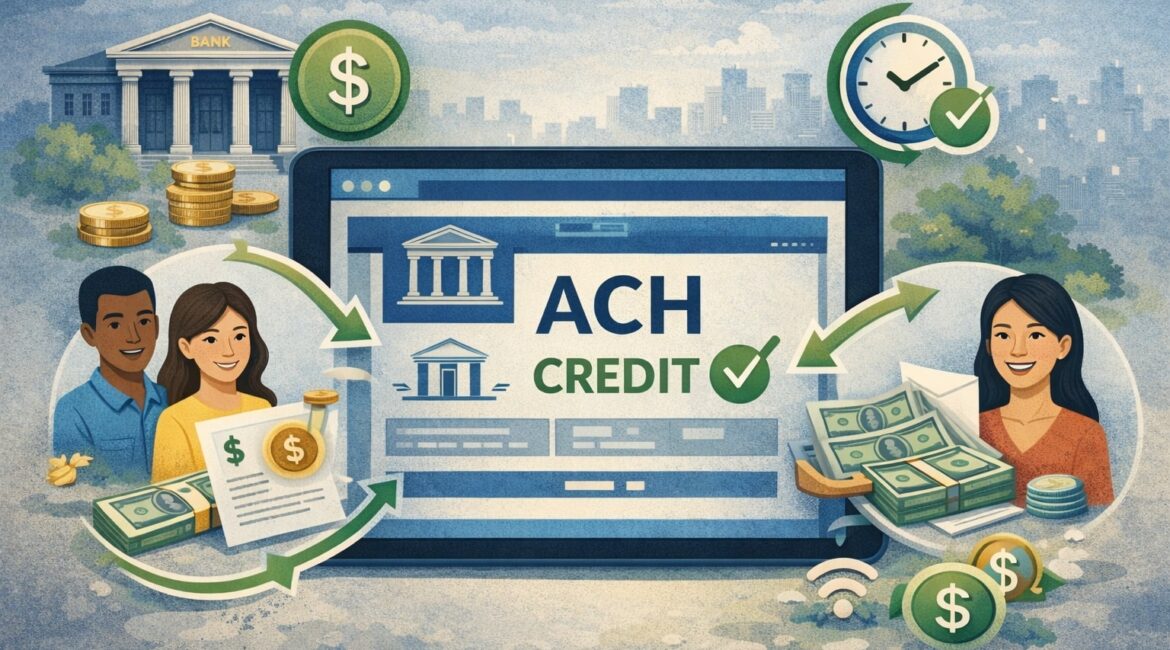
An ACH credit is a type of electronic bank transfer that pushes money from the sender’s bank account to the recipient’s bank account through the Automated Clearing House (ACH) Network. In plain terms, the sender authorizes their bank (or payment provider) to send funds out, and the recipient receives those...
How Long Does an ACH Transaction Take?

An ACH transaction (Automated Clearing House payment) typically takes 1–3 business days to complete from the moment you authorize it to the moment funds are available to the receiver. Many ACH (Automated Clearing House) transactions arrive the next business day when they’re submitted early enough and pass bank validation. If...
What Is an ACH Authorization Form?
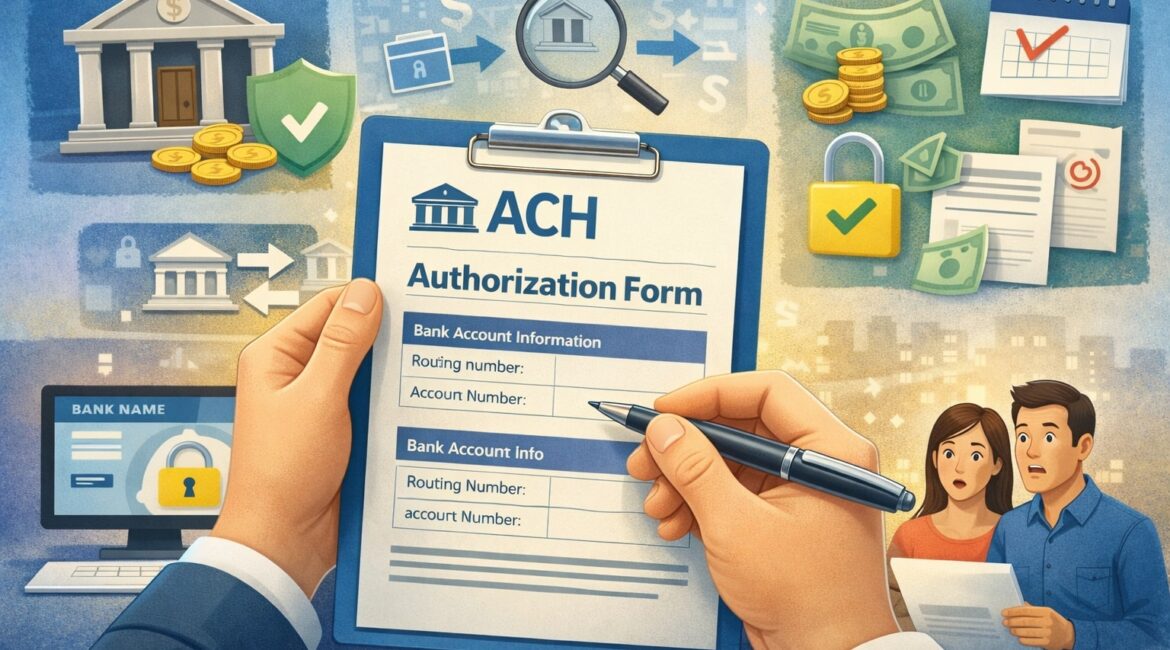
An ACH Authorization Form is a written or electronic agreement that gives a business permission to debit or credit a customer’s bank account through the ACH Network. In plain terms, the ACH Authorization Form is the customer’s “yes”—and it’s the foundation for compliant bank-to-bank payments like recurring subscriptions, installment plans,...
What Are ACH Routing Numbers? The Complete Guide to Finding, Using, and Verifying ACH Routing Numbers
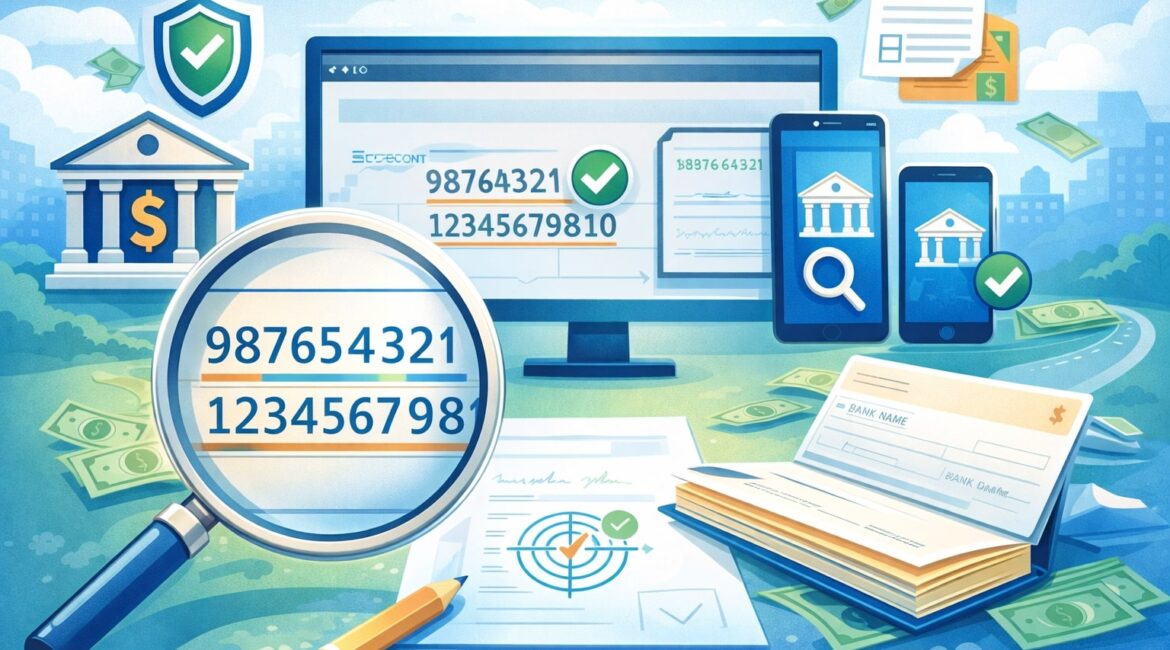
ACH routing numbers are the nine-digit bank identifiers used to route electronic payments through the Automated Clearing House (ACH) network. When you send money by direct deposit, pay bills electronically, set up recurring withdrawals, or connect a bank account to a payment app, the system often relies on ACH routing...
ACH Risk Mitigation 101: A Guide for Businesses
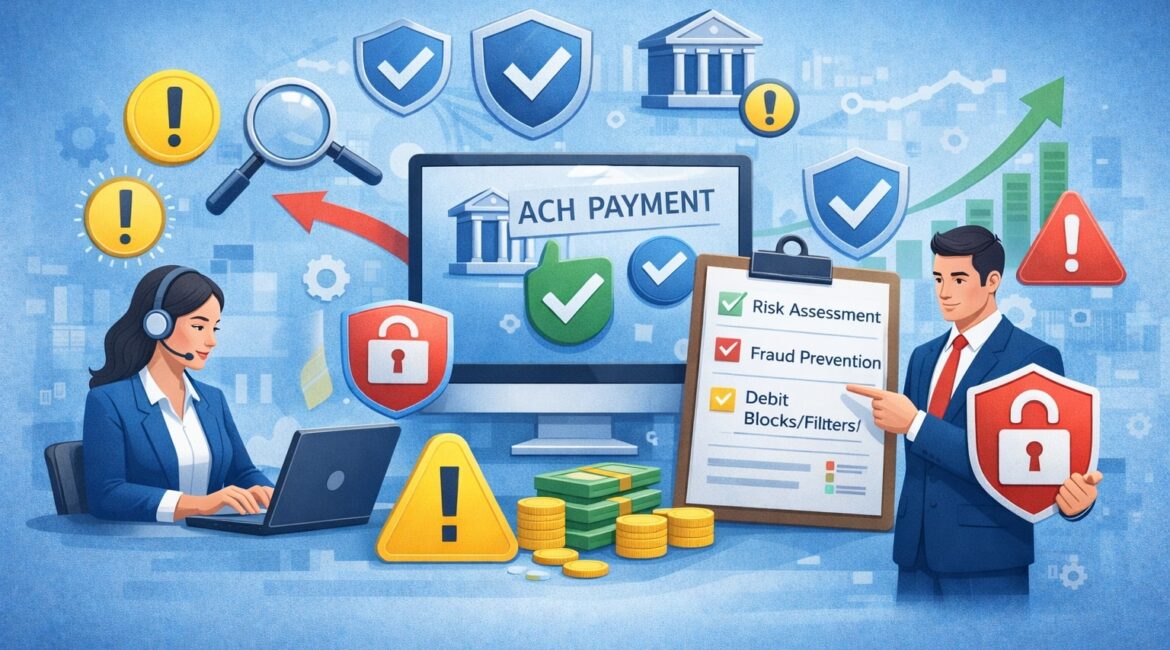
ACH is one of the most cost-effective ways to move money for payroll, vendor payments, subscriptions, loan collections, marketplaces, and account-to-account transfers. It’s also one of the easiest payment rails to underestimate—because when ACH works, it feels invisible. But ACH risk is real, and it’s different from card risk. Disputes...
The Complete List of ACH Rejection Codes (ACH Return Codes)
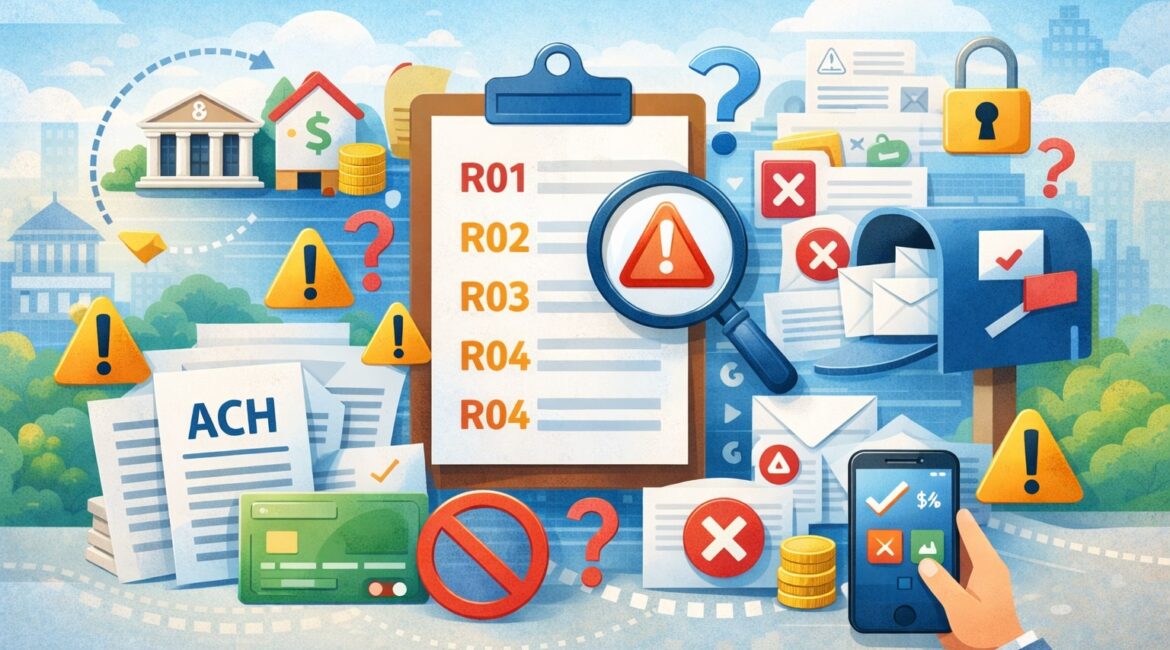
“ACH rejection codes” (often called ACH return codes or return reason codes) are the standardized “R-codes” used to explain why an ACH debit or credit failed and was sent back through the ACH Network. These ACH rejection codes matter because they tell you what went wrong, how quickly you must...
Same-Day ACH: What It Is and Exactly How It Works
Same-Day ACH is a faster version of the Automated Clearing House (ACH) system that lets U.S. businesses and consumers move money within the same business day instead of waiting the traditional one to three days. It uses the same nationwide ACH Network—governed by Nacha and operated by the Federal Reserve...
Benefits of ACH for B2B Transactions
ACH for B2B transactions has become the quiet workhorse of U.S. business payments. Companies rely on Automated Clearing House rails to move money directly between bank accounts with lower costs, dependable timing, and better data than checks. When you modernize payables and receivables with ACH for B2B transactions, you reduce...