
ACH payments can be efficient, affordable, and easier to manage than cards or paper checks. But that efficiency cuts both ways. If your team processes a fraudulent ACH authorization form, the damage can spread quickly through operations, cash flow, customer relationships, and compliance workflows. A bad authorization can lead to...
Step-by-Step Checklist for Completing Your Annual Mandatory ACH Audit
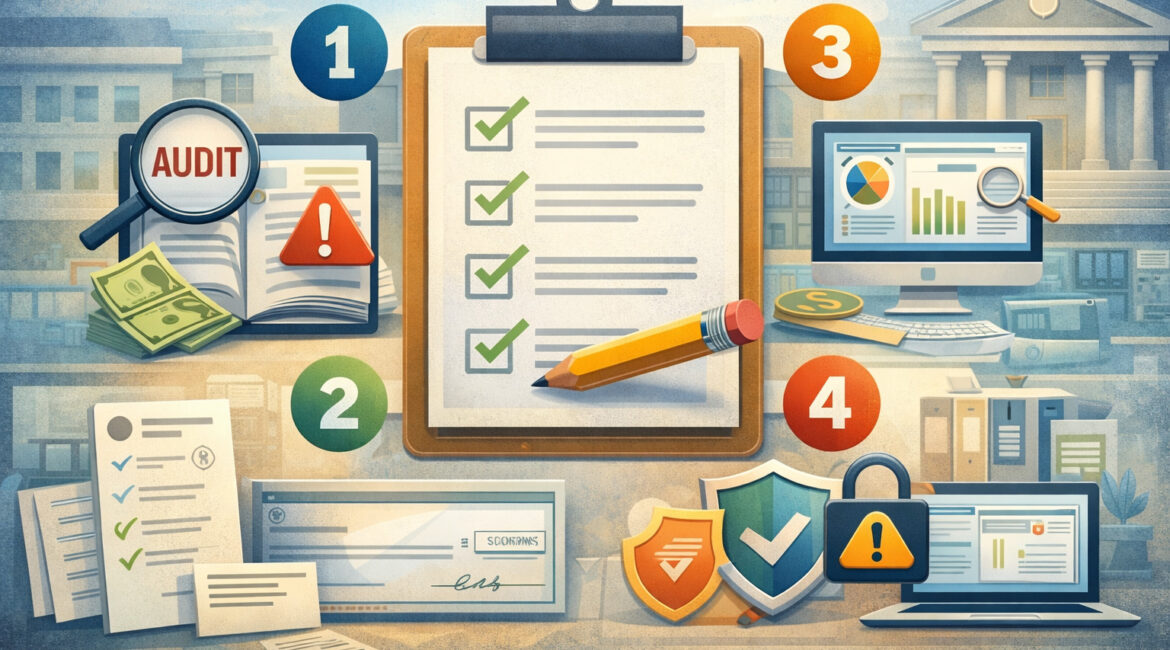
If your business sends, receives, or manages ACH payments, the annual ACH audit is not something to leave until the last minute. It is one of the clearest ways to test whether your payment practices match your policies, whether your teams are following required controls, and whether small process gaps...
Same Day ACH vs Standard ACH: Understanding the Real Differences, Costs, Timing, and Best Uses
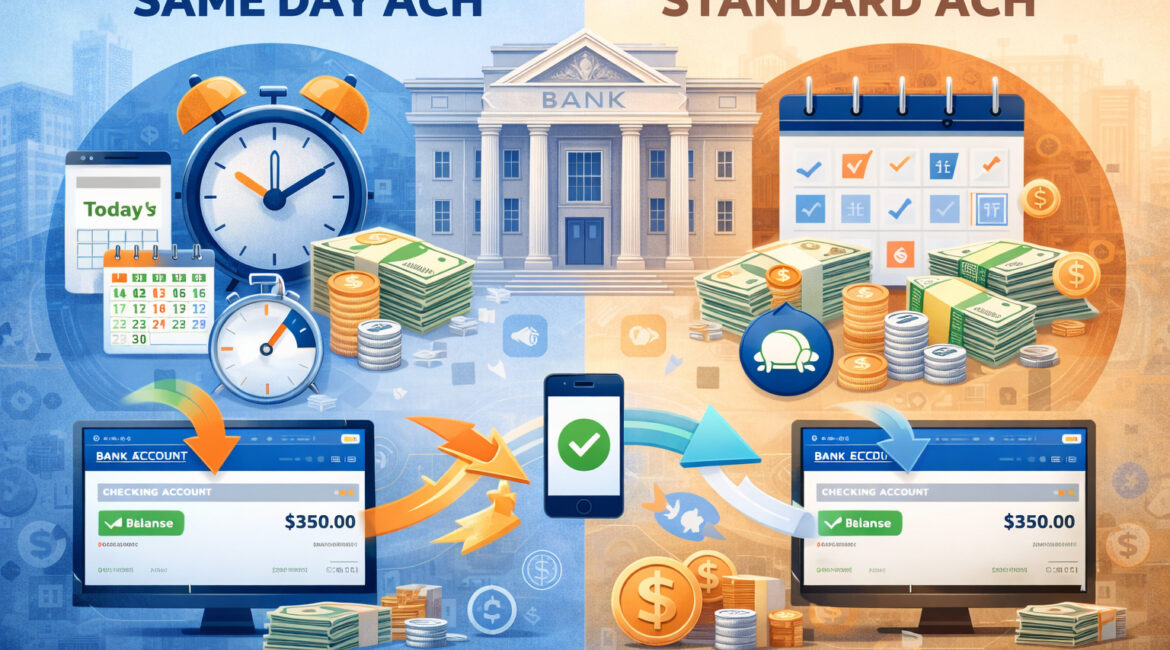
When businesses compare same day ACH vs standard ACH, they are usually trying to answer a practical question, not a technical one: How fast will the money move, how much will it cost, and will it arrive when we need it to? That question affects payroll, vendor relationships, invoice collection,...
Complete Guide to Resolving Common ACH Return Codes for Faster Collections
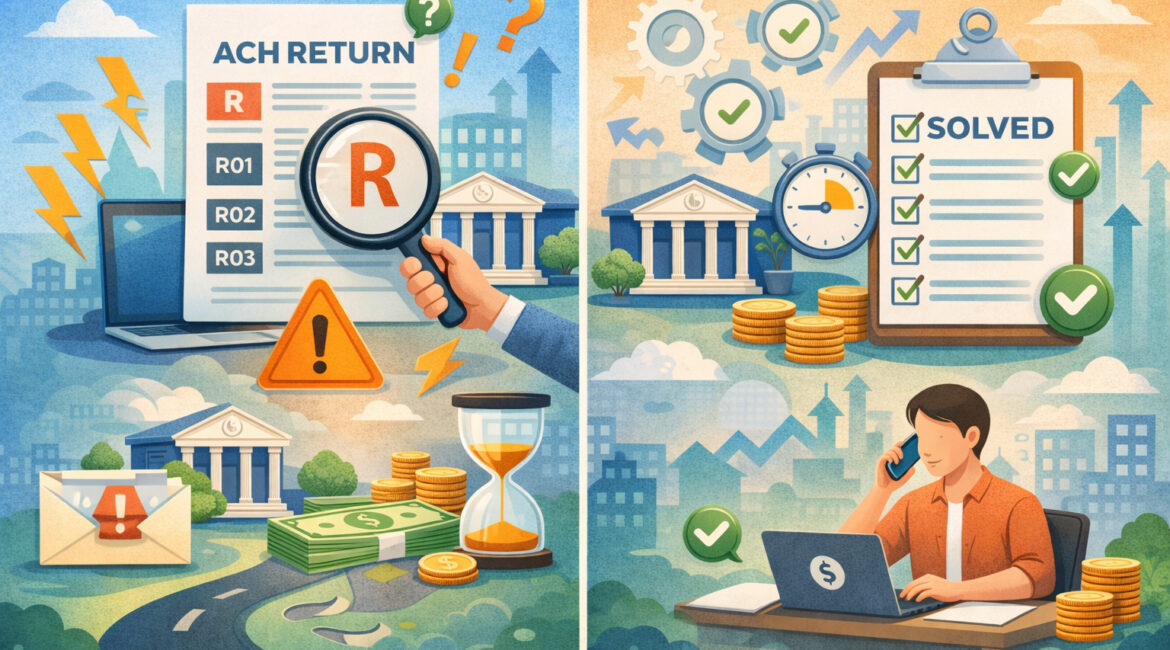
ACH returns can quietly slow down collections, strain customer relationships, and create more work than most teams expect. A payment looks like it is on the way, revenue gets counted in the pipeline, and then a return code appears that forces billing, operations, or collections staff to stop and figure...
How to Setup an ACH Authorization Form (Step-by-Step Guide for Businesses)
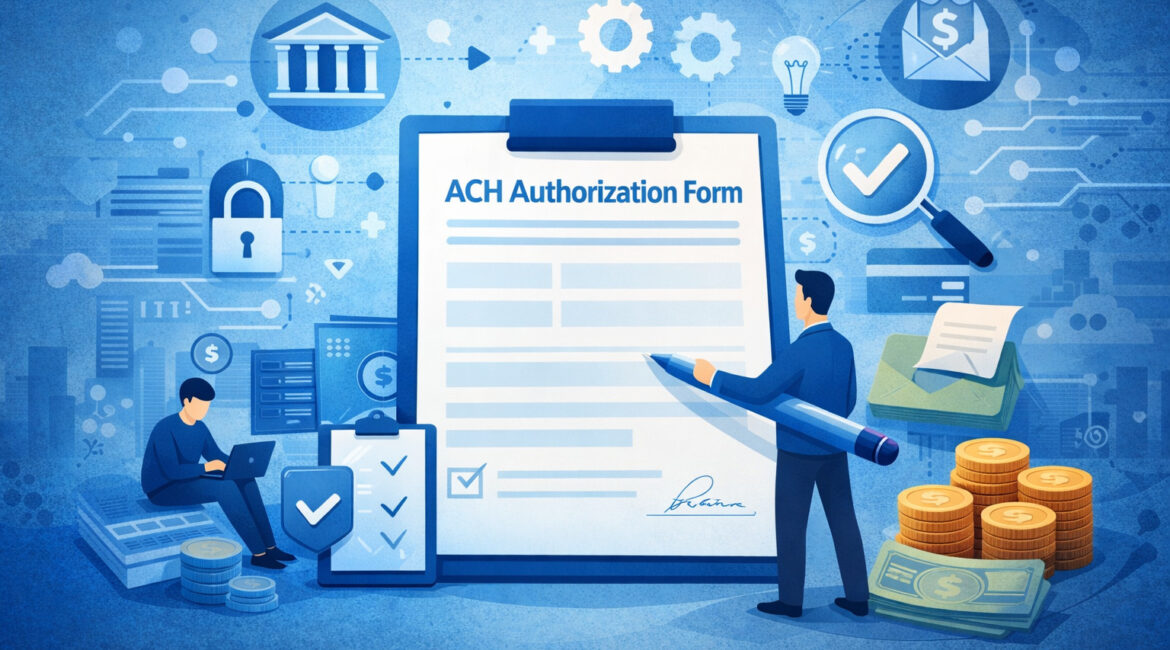
If you want to setup an ACH authorization form the right way, you’re doing more than creating paperwork—you’re building the compliance foundation that makes ACH debits legal, defensible, and scalable. Whether you’re a small business owner, finance manager, SaaS subscription company, property manager, or accountant, a clean authorization process protects...
ACH Transfer vs. Wire Transfer: What’s the Difference?
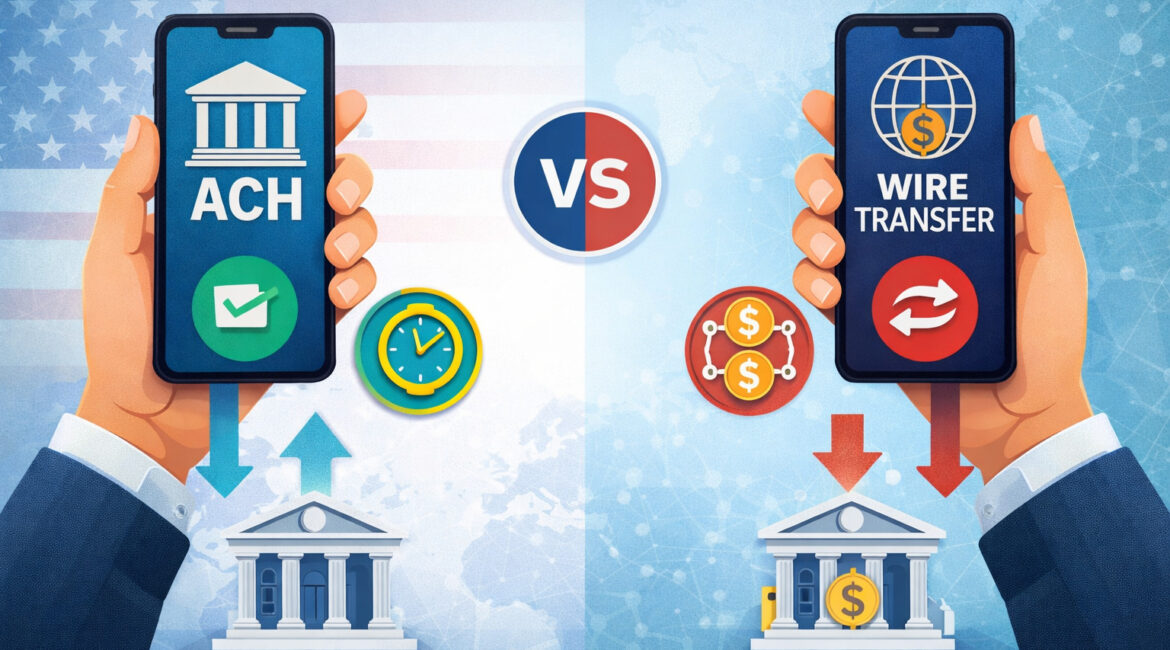
Understanding ACH Transfer vs. Wire Transfer isn’t just a banking detail—it affects cash flow, vendor relationships, payroll timing, fraud exposure, and how quickly money becomes available (not just “sent”). For small business owners, finance managers, entrepreneurs, freelancers, and individuals, choosing the right transfer method can reduce fees, prevent avoidable delays,...
What Is an ACH Credit? (A Complete Guide)
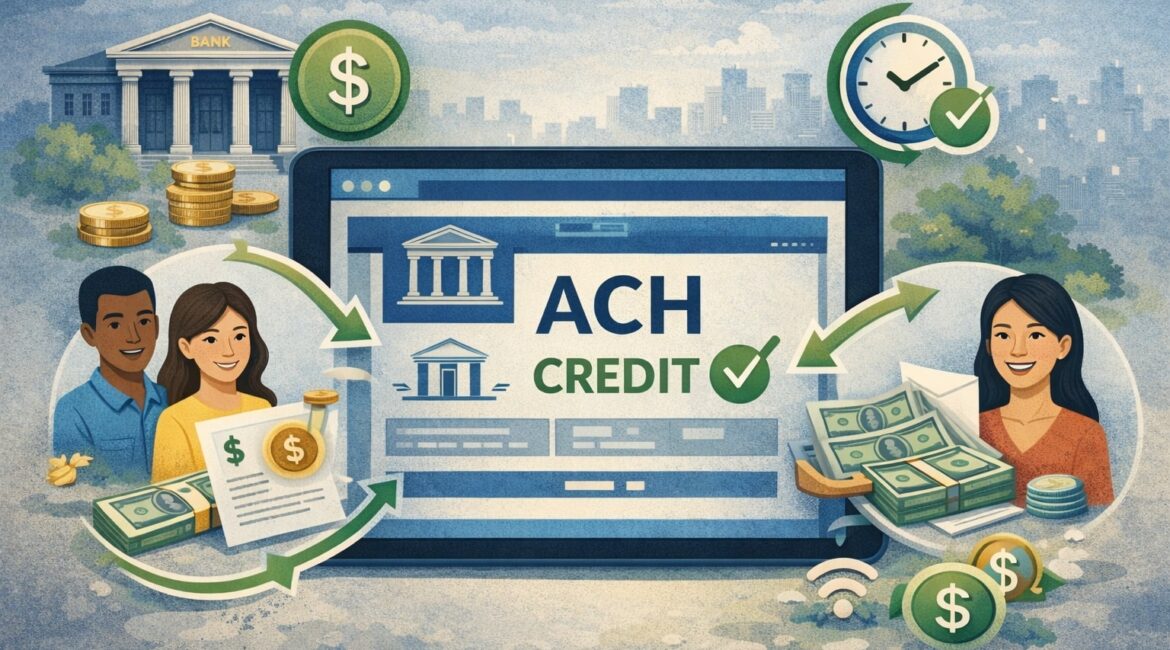
An ACH credit is a type of electronic bank transfer that pushes money from the sender’s bank account to the recipient’s bank account through the Automated Clearing House (ACH) Network. In plain terms, the sender authorizes their bank (or payment provider) to send funds out, and the recipient receives those...
How Long Does an ACH Transaction Take?

An ACH transaction (Automated Clearing House payment) typically takes 1–3 business days to complete from the moment you authorize it to the moment funds are available to the receiver. Many ACH (Automated Clearing House) transactions arrive the next business day when they’re submitted early enough and pass bank validation. If...
What Is an ACH Authorization Form?
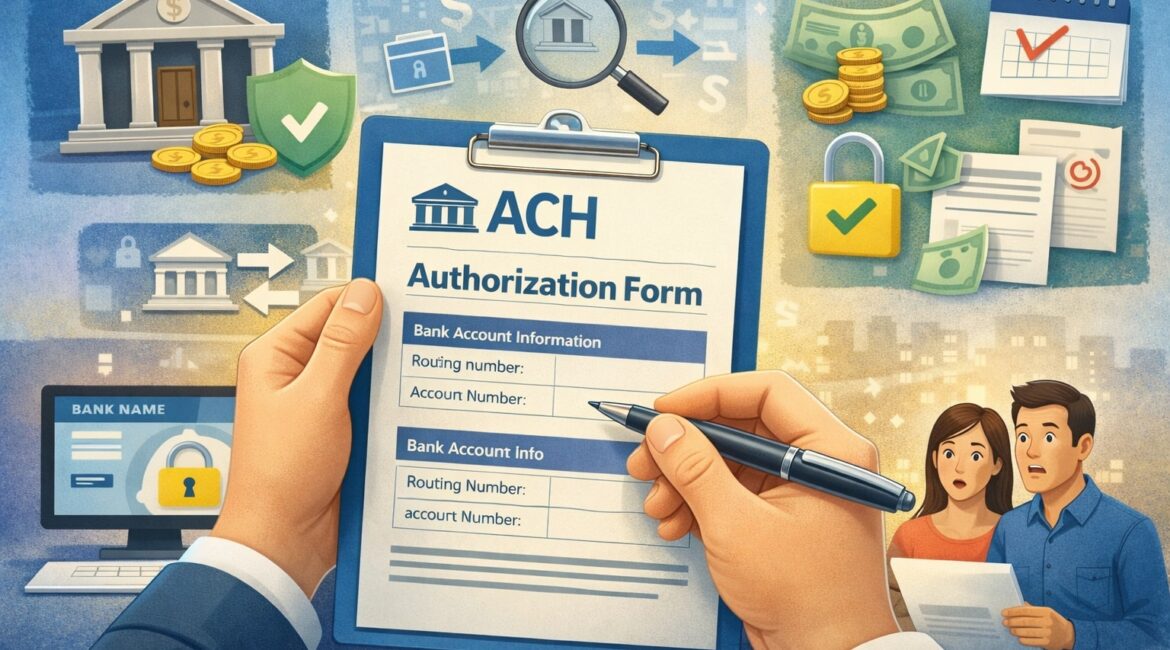
An ACH Authorization Form is a written or electronic agreement that gives a business permission to debit or credit a customer’s bank account through the ACH Network. In plain terms, the ACH Authorization Form is the customer’s “yes”—and it’s the foundation for compliant bank-to-bank payments like recurring subscriptions, installment plans,...
What Are ACH Routing Numbers? The Complete Guide to Finding, Using, and Verifying ACH Routing Numbers
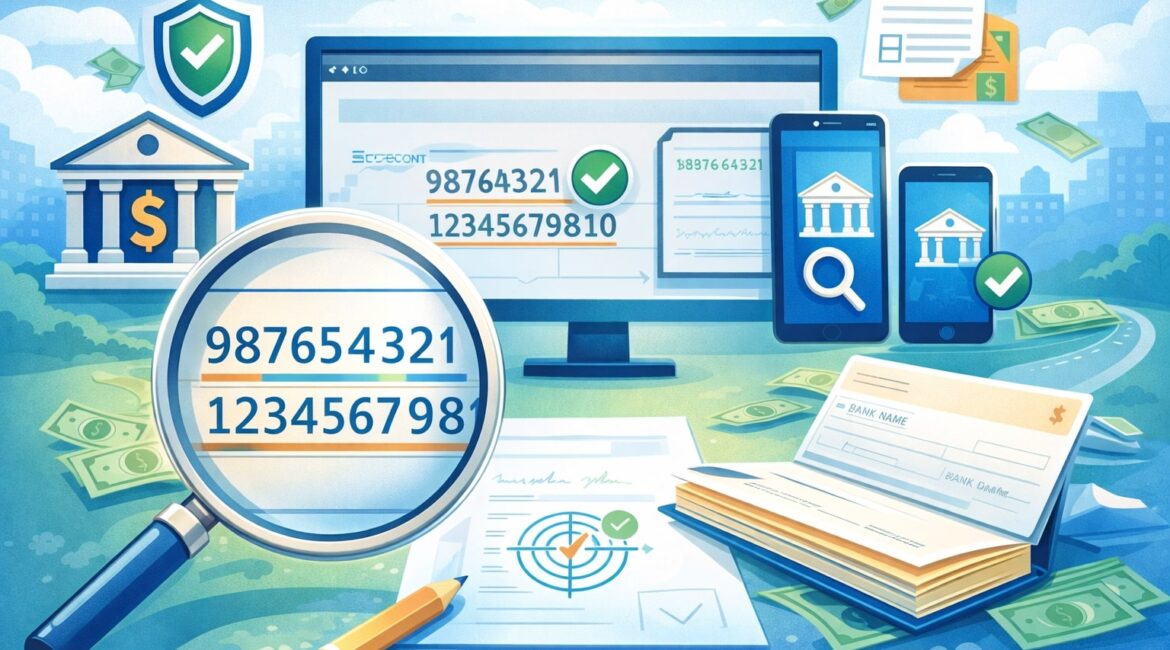
ACH routing numbers are the nine-digit bank identifiers used to route electronic payments through the Automated Clearing House (ACH) network. When you send money by direct deposit, pay bills electronically, set up recurring withdrawals, or connect a bank account to a payment app, the system often relies on ACH routing...