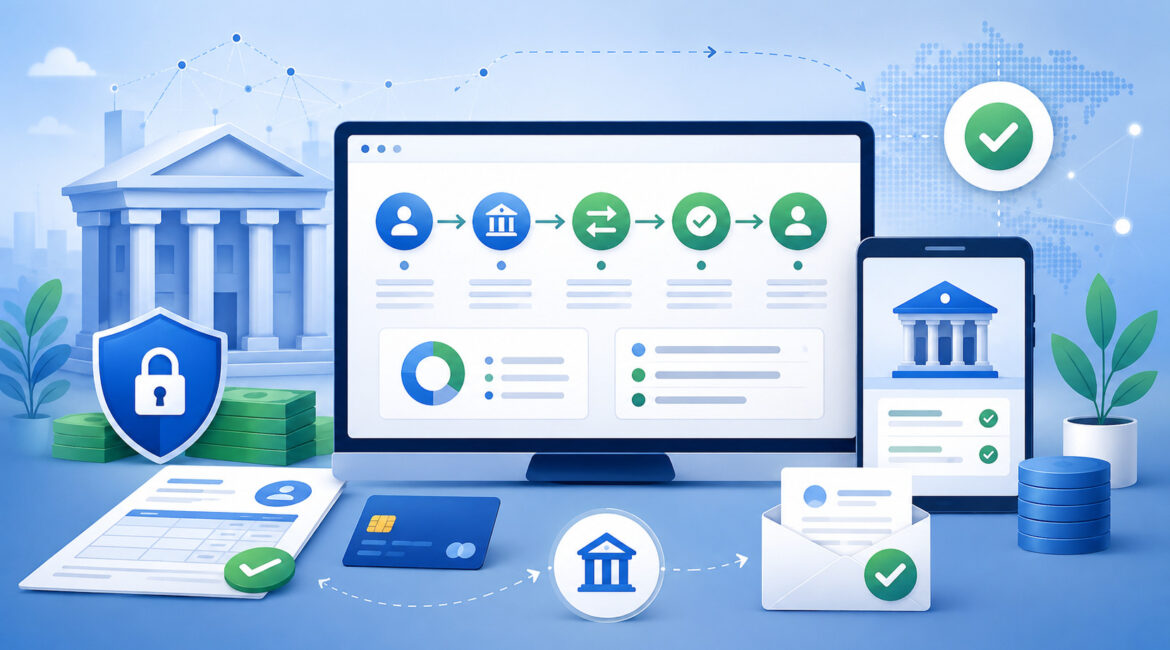
ACH payment processing gives businesses a way to move money electronically between bank accounts without relying on paper checks or card networks. It can support invoice collection, recurring billing, subscription payments, vendor payments, payroll deposits, rent collection, donations, and many other routine payment workflows. For businesses that regularly receive larger...
Common ACH Payment Terms Explained
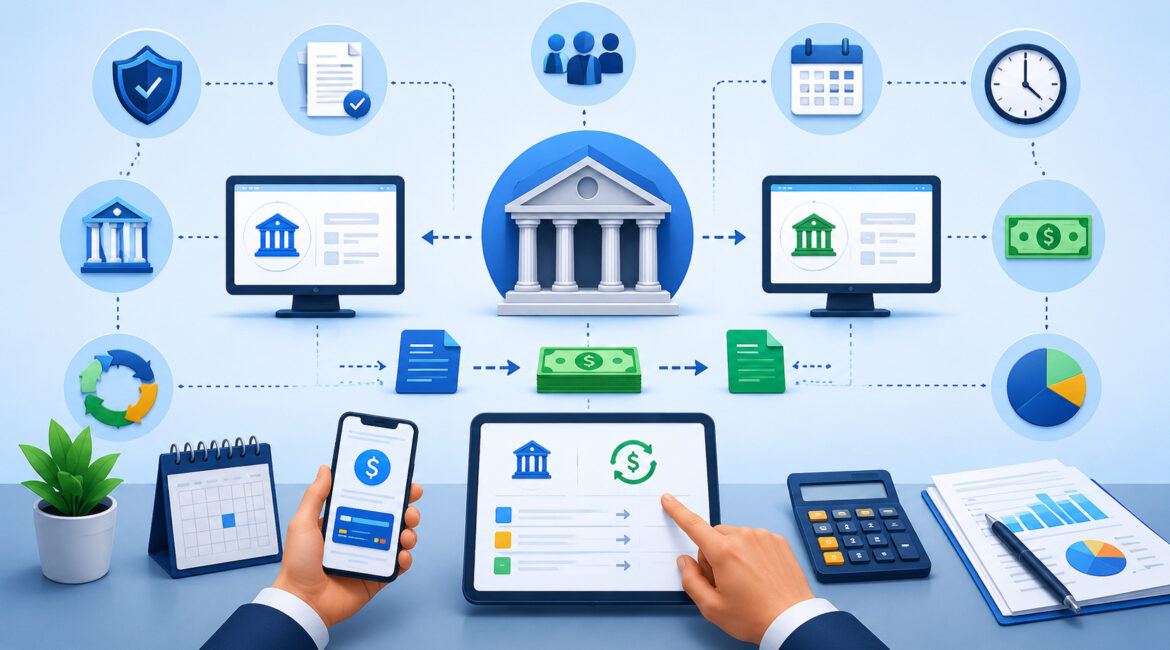
Electronic bank payments can simplify invoice collection, recurring billing, payroll, vendor payments, donations, rent collection, and other financial workflows. However, the terminology surrounding these transactions can be difficult to understand when a business first begins accepting or sending ACH payments. Common ACH payment terms cover several areas at once. Some...
Customer Authorization Requirements for ACH Payments

Customer authorization requirements for ACH payments are a fundamental part of accepting bank-to-bank payments responsibly. Whether a business collects invoices, rent, membership dues, recurring donations, subscription fees, deposits, or service payments, it needs the customer’s permission before initiating an ACH debit against the customer’s bank account. That permission is more...
ACH Payment Authorization Forms Explained

ACH payment authorization forms document a customer’s permission for a business or organization to initiate an electronic payment involving the customer’s bank account. They are commonly used for invoice payments, subscriptions, memberships, rent, service contracts, donations, installment plans, tuition, deposits, and other bank-to-bank payments. An authorization form is more than...
How to Manage ACH Payments Efficiently

Managing bank-to-bank payments involves much more than submitting a payment and waiting for funds to appear. A reliable process must account for customer authorization, bank information, payment schedules, processing cutoffs, settlement timing, returns, reconciliation, reporting, security, and recordkeeping. Learning how to manage ACH payments efficiently can help a business reduce...
How to Make an ACH Payment
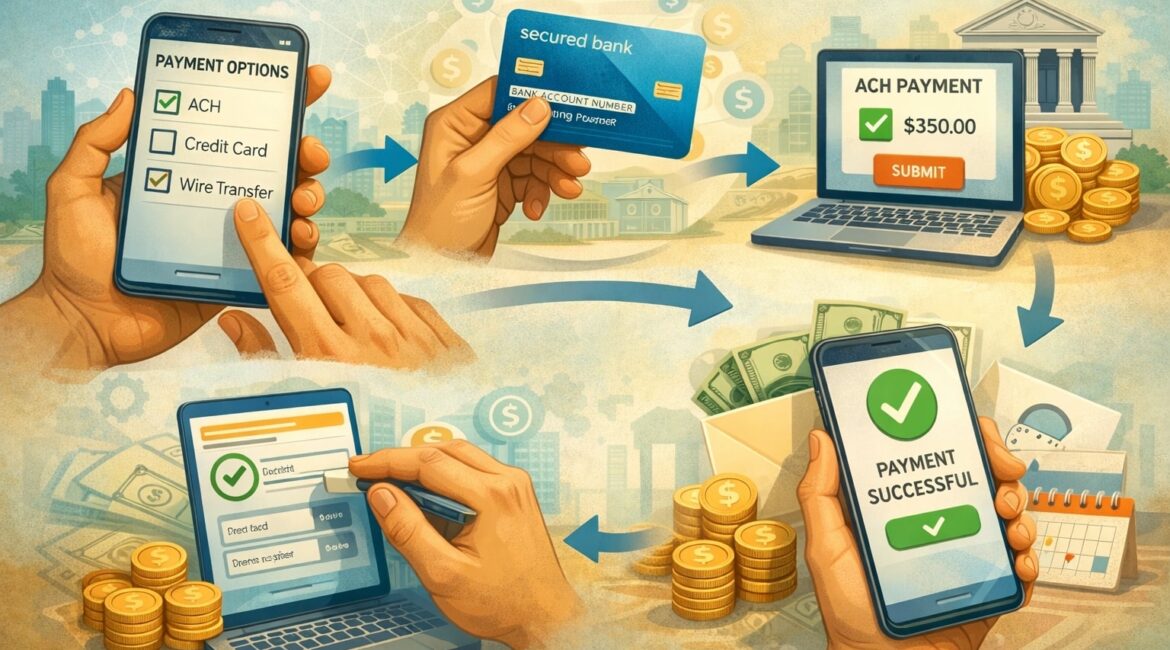
An ACH payment is one of the most reliable ways to move money from one bank account to another for everyday business and personal needs. If you pay vendors, collect recurring bills, run payroll, reimburse contractors, or simply want a cost-effective way to transfer funds, an ACH (Automated Clearing House)...
What Does Return Mobile ACH Payment Mean?

A return mobile ACH payment means a mobile-initiated bank-to-bank transfer (sent through the ACH network) did not settle successfully and was sent back by the receiving bank to the sending bank. In simpler terms, the payment tried to move money from one bank account to another using an app, mobile...
How to Set Up Recurring ACH Payments in QuickBooks
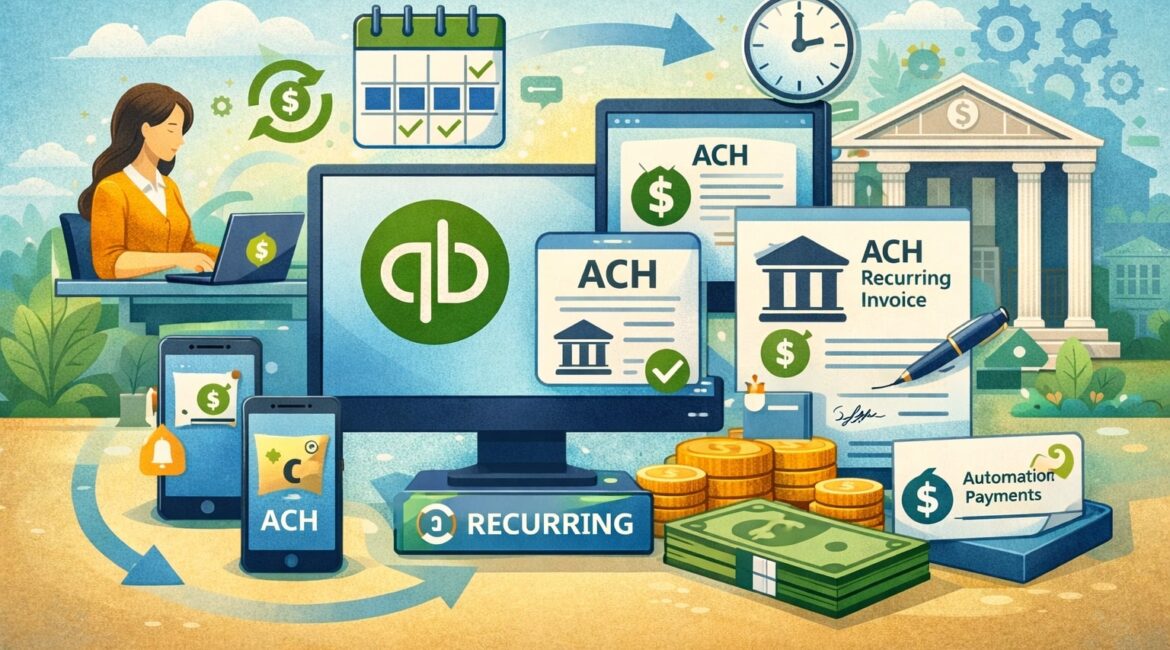
Recurring ACH payments in QuickBooks are one of the cleanest ways to automate cash flow without chasing checks or re-entering the same billing details every month. Instead of manually sending invoices and manually recording deposits, you can build a system where customers receive scheduled bills (or you charge them on...
How to Process ACH Payments Through QuickBooks
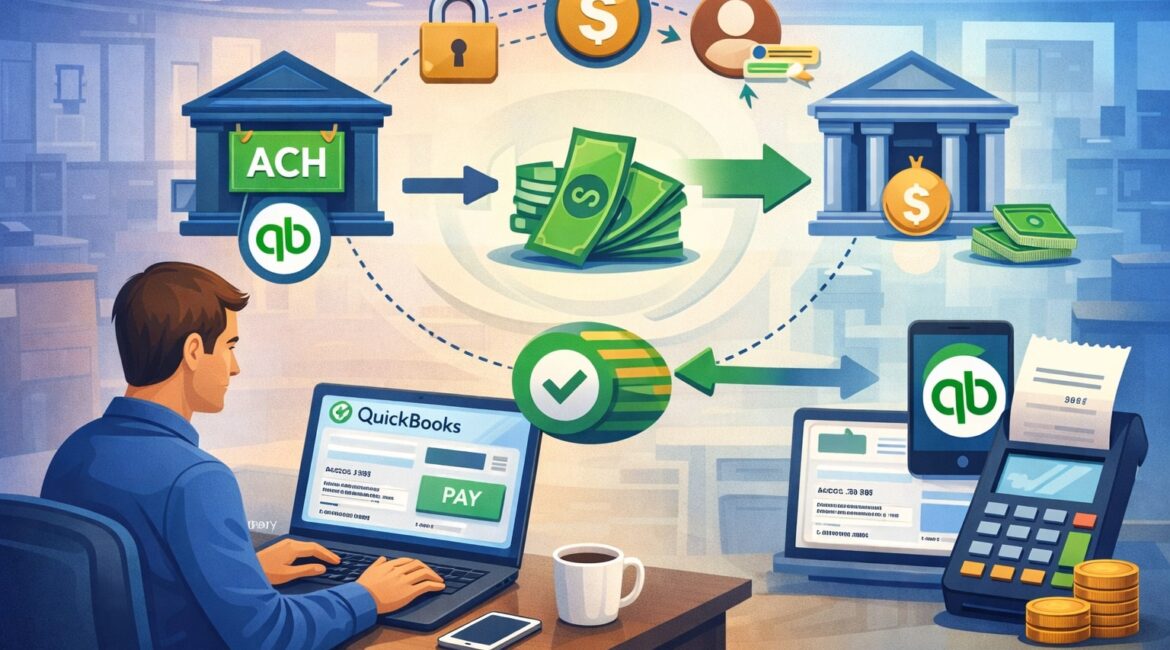
Processing ACH payments through QuickBooks is one of the easiest ways to collect low-cost, bank-to-bank payments while keeping your bookkeeping clean. When it’s set up correctly, you can send invoices your customers can pay by bank transfer, take ACH for recurring charges, and record deposits automatically—without chasing paper checks or...
How to Enable ACH Payments in QuickBooks or Xero
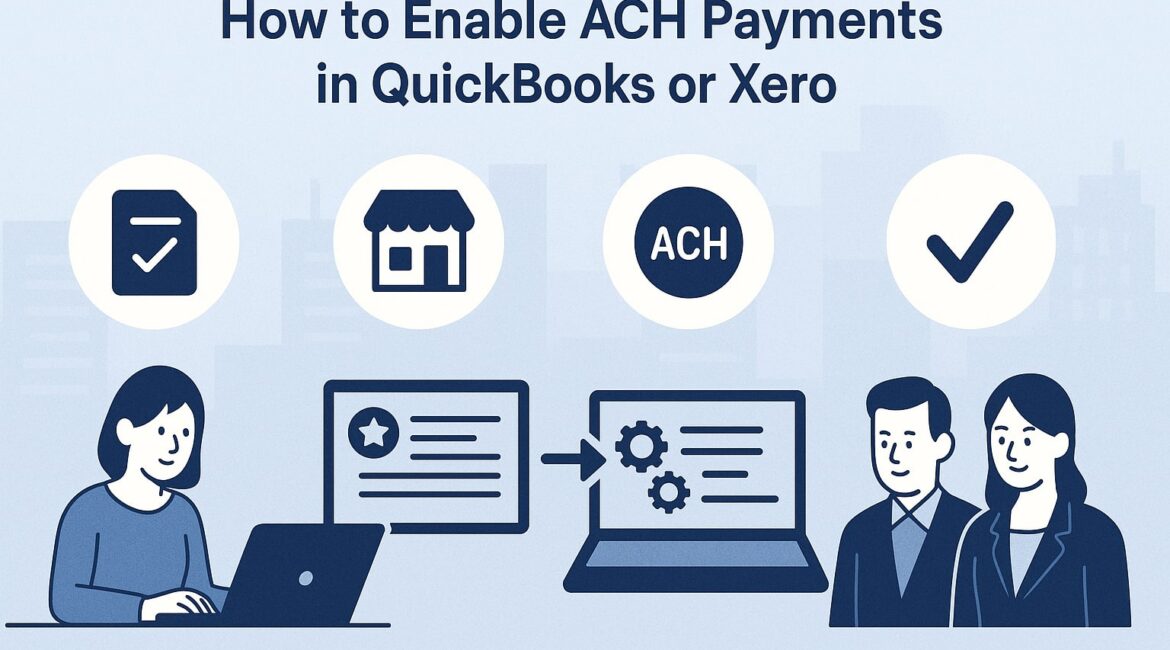
Accepting ACH payments in your accounting platform is one of the simplest ways to speed up receivables, cut card fees, and make cash flow more predictable. This guide walks you—step by step—through enabling ACH payments in QuickBooks Online and Xero for the US market. You’ll learn what ACH is, why...