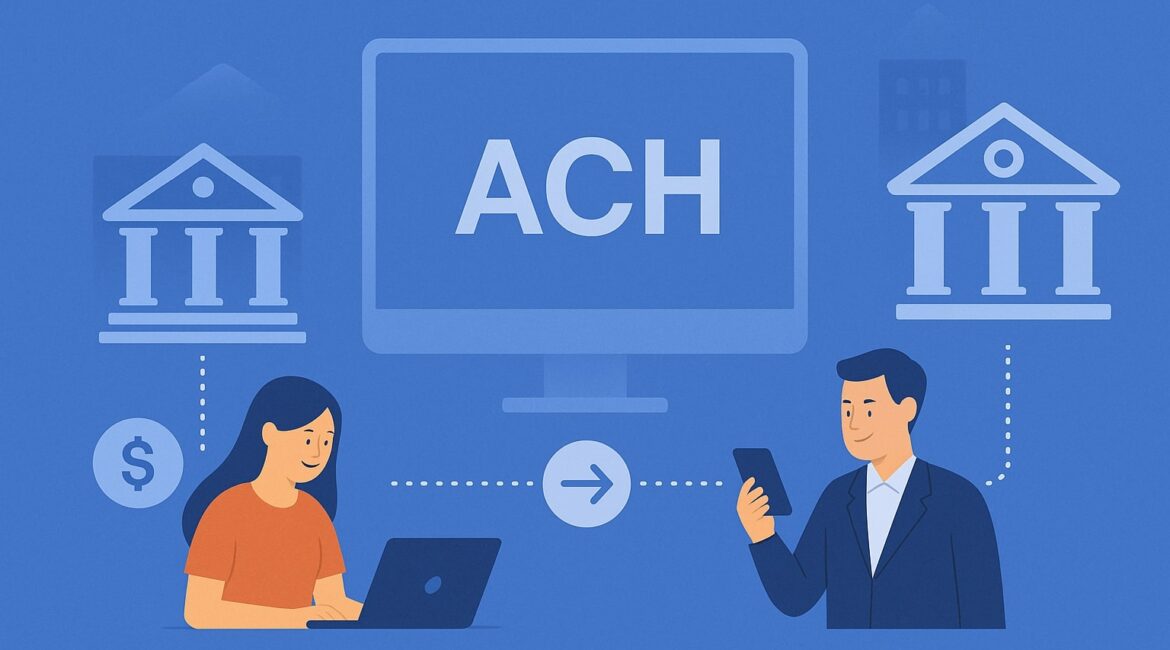
The ACH Network is the quiet engine of American banking. It moves salaries on payday, funnels your mortgage payment to your lender, pulls your utility bill, and settles billions in B2B invoices. In this guide, you’ll learn how the ACH Network actually works, who the players are, what it costs,...
ACH Debit: An In-Depth Guide
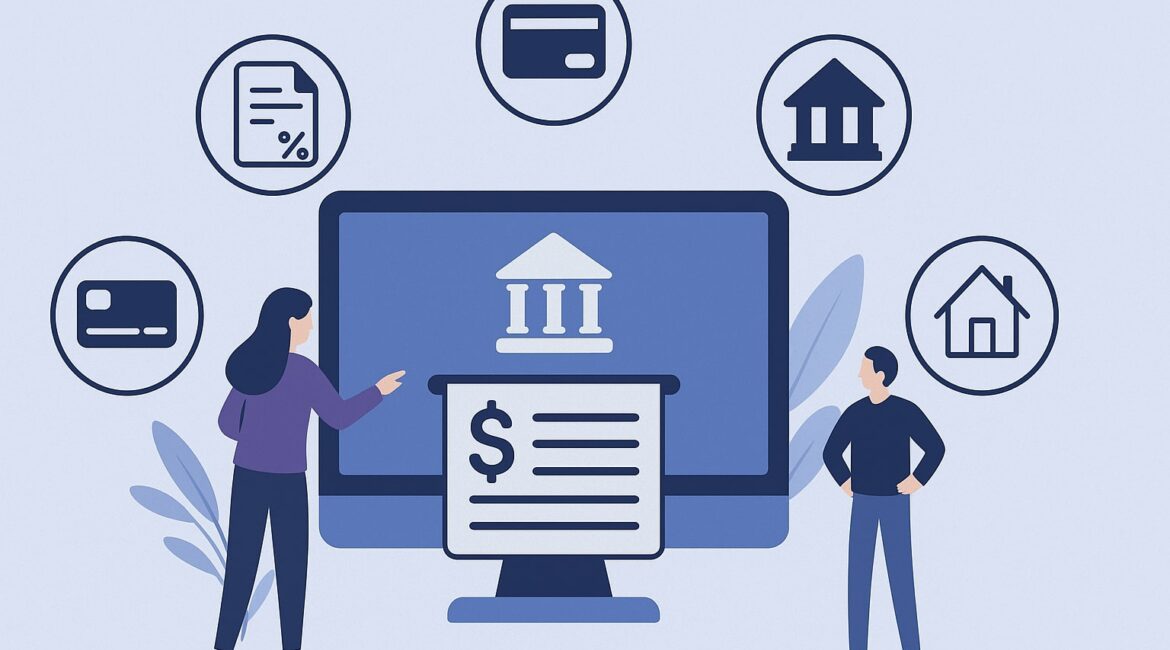
ACH debit is a core component of electronic payments in the United States. Business owners often encounter ACH debits when collecting customer payments or paying bills. But what does ACH debit mean and why does it matter for your business? In this guide, we’ll explain the meaning of ACH debit,...
How ACH Fraud Works and How to Prevent It

Imagine logging into your business bank account and finding thousands of dollars withdrawn via an ACH transfer you never authorized. This nightmare scenario is increasingly common. ACH fraud – unauthorized or deceptive transactions through the Automated Clearing House network – poses a serious threat to U.S. businesses. In fact, 79%...
Recurring ACH Payments 101: What They Are and How They Work
Recurring ACH payments are automated electronic bank transfers that repeat on a set schedule (such as weekly or monthly). “ACH” stands for Automated Clearing House, which is the U.S. network that processes these bank-to-bank transactions. This system allows businesses and individuals to move money between accounts without having to manually...
ACH vs. Wire Transfer: What’s the Difference?
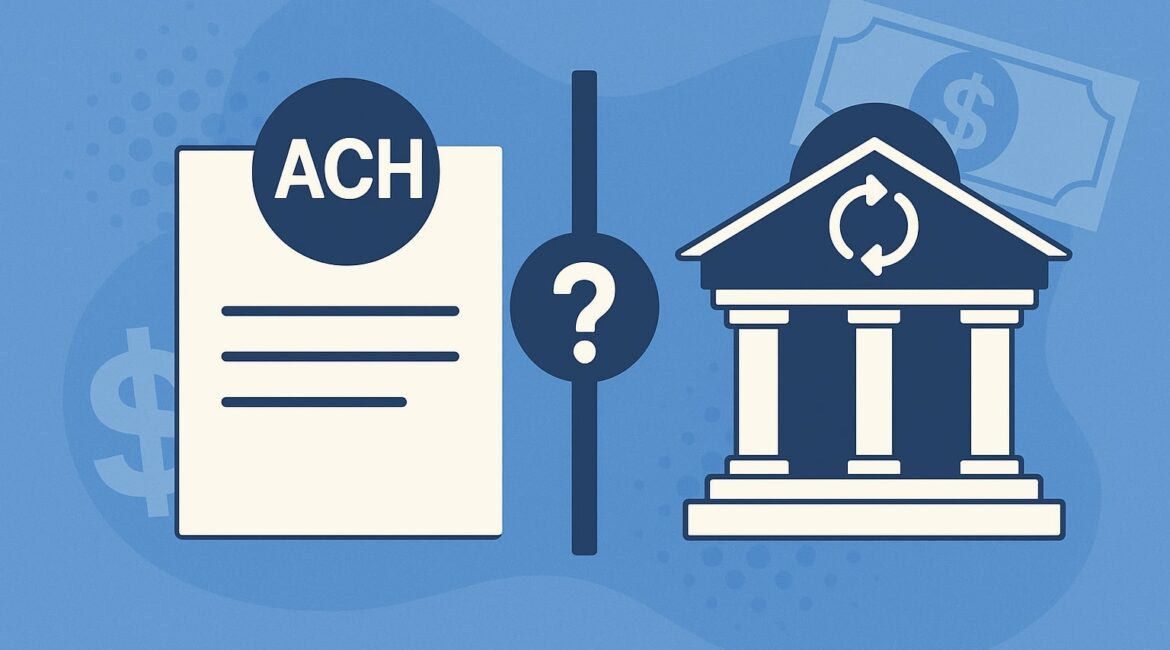
When moving money between bank accounts, two common methods are ACH transfers and wire transfers. Both are electronic, bank-to-bank payment methods, but they differ significantly in speed, cost, and use cases. Understanding the differences between an ACH transfer vs. wire transfer is essential for consumers, small businesses, and financial professionals...
ACH Returns 101: What They Are and How to Manage Them
Automated Clearing House (ACH) payments are a backbone of modern finance, enabling direct bank-to-bank transfers for everything from payroll deposits to bill payments. But what happens when an ACH transaction doesn’t go through? That’s where ACH returns come into play. An ACH return occurs when an ACH transaction cannot be...
ACH Fees: How Much Does ACH Cost?
ACH fees are the charges associated with transferring funds electronically between bank accounts through the U.S. ACH network. These fees are generally very low, making ACH one of the most affordable payment methods available. In this comprehensive guide, we’ll explain what ACH payment fees are, how much ACH transfers typically...
ACH vs. EFT: What is the Difference?
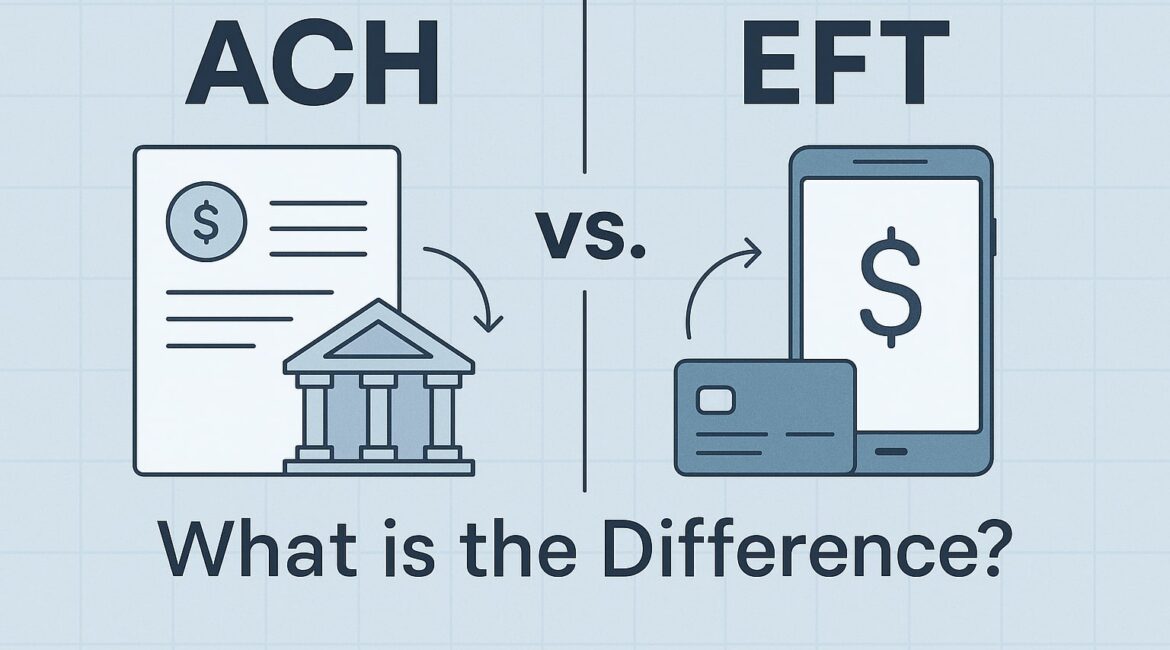
In today’s digital banking world, you often hear terms like ACH and EFT when moving money. Both refer to electronic ways of transferring funds, but they aren’t identical. Many people ask, “Is EFT the same as ACH?” or wonder about the difference between EFT and ACH transactions. The short answer...
Benefits of Accepting ACH Payments for Small Businesses
Accepting ACH payments – transactions through the Automated Clearing House network – can offer significant advantages for small businesses. ACH payments move money directly between bank accounts, providing a low-cost, secure, and convenient alternative to credit cards, paper checks, and other payment methods. This article explores the key benefits of...
ACH Debit vs. ACH Credit: What’s the Difference?
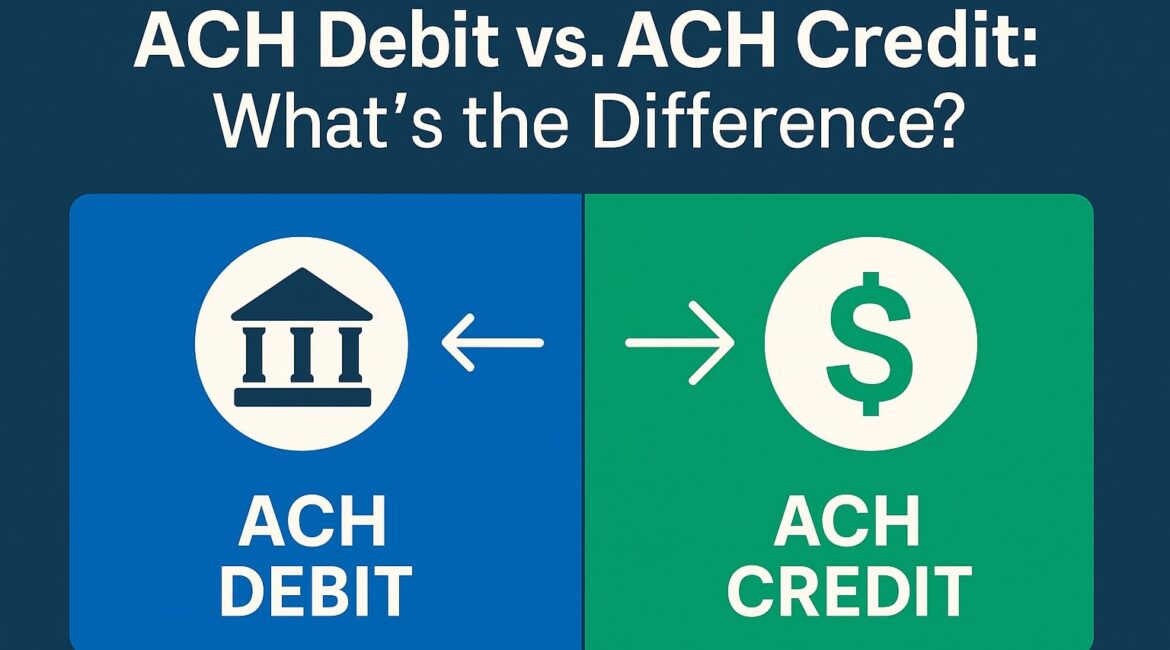
Every day, billions of dollars move between U.S. bank accounts through the Automated Clearing House (ACH) network. ACH payments power everything from employee paychecks to vendor invoices to consumer bill payments. In 2024 alone, the ACH network processed 33.6 billion payments (over $86 trillion in value), making it a backbone...