ACH fees are the charges associated with transferring funds electronically between bank accounts through the U.S. ACH network. These fees are generally very low, making ACH one of the most affordable payment methods available. In this comprehensive guide, we’ll explain what ACH payment fees are, how much ACH transfers typically...
ACH vs. EFT: What is the Difference?
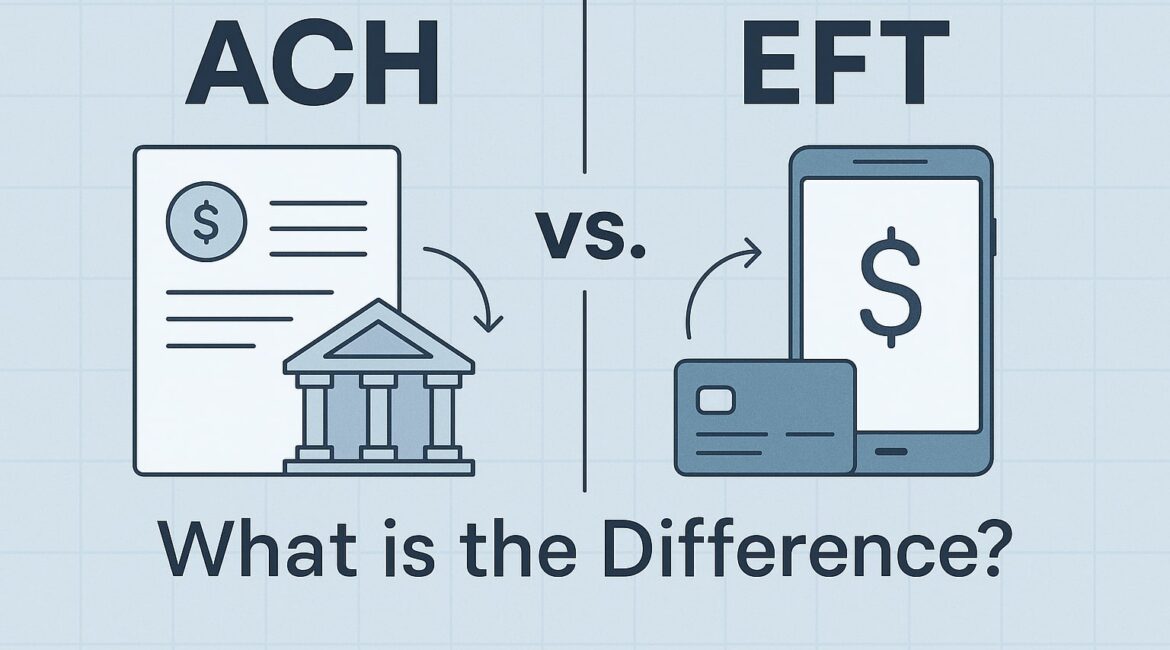
In today’s digital banking world, you often hear terms like ACH and EFT when moving money. Both refer to electronic ways of transferring funds, but they aren’t identical. Many people ask, “Is EFT the same as ACH?” or wonder about the difference between EFT and ACH transactions. The short answer...
Benefits of Accepting ACH Payments for Small Businesses
Accepting ACH payments – transactions through the Automated Clearing House network – can offer significant advantages for small businesses. ACH payments move money directly between bank accounts, providing a low-cost, secure, and convenient alternative to credit cards, paper checks, and other payment methods. This article explores the key benefits of...
ACH Debit vs. ACH Credit: What’s the Difference?
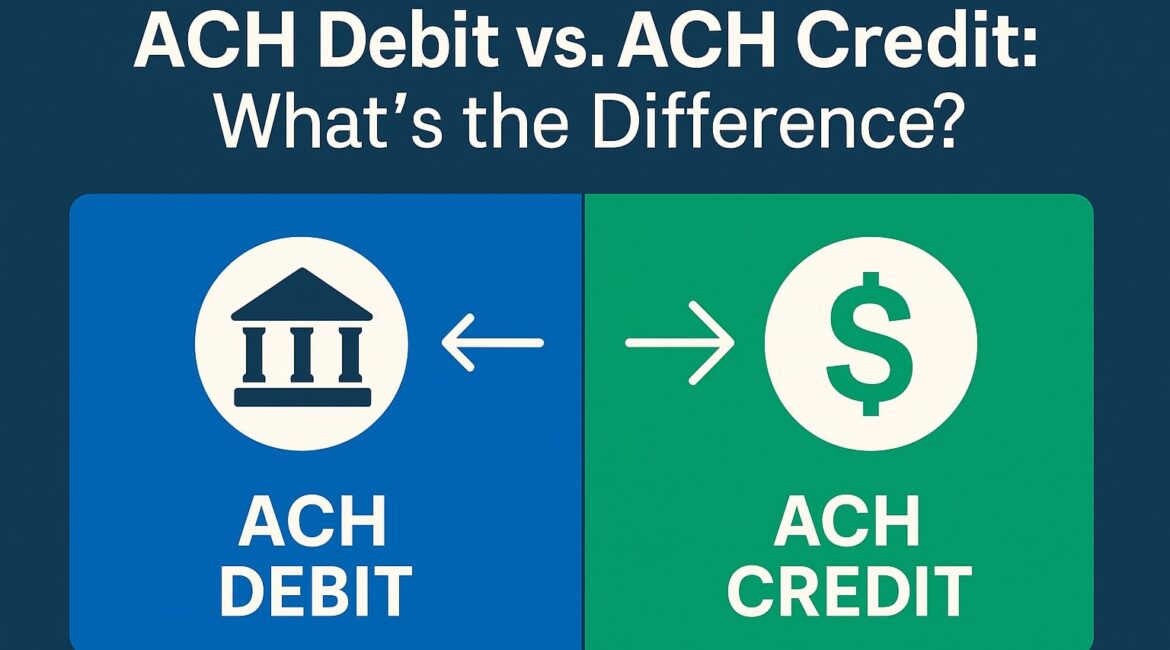
Every day, billions of dollars move between U.S. bank accounts through the Automated Clearing House (ACH) network. ACH payments power everything from employee paychecks to vendor invoices to consumer bill payments. In 2024 alone, the ACH network processed 33.6 billion payments (over $86 trillion in value), making it a backbone...
What is ACH and How Does It Work
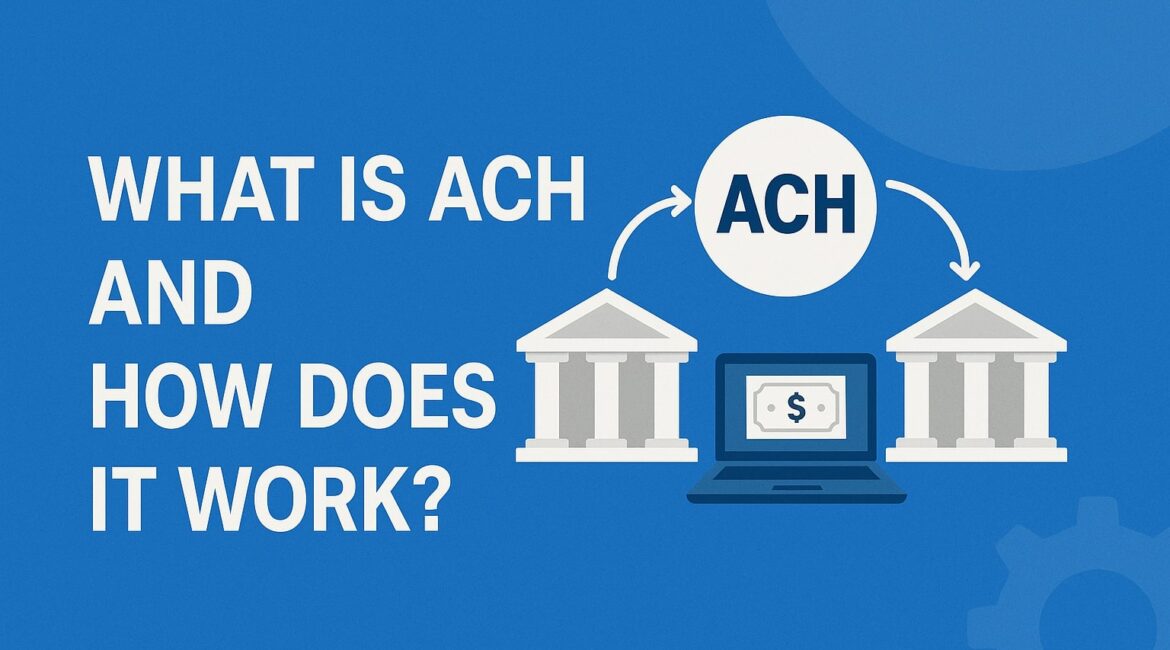
The Automated Clearing House (ACH) is the backbone of electronic payments in the United States. It’s a nationwide network that moves money between bank accounts, powering everything from direct deposit of payroll to automatic bill payments. For business owners, Automated Clearing House offers a cost-effective, efficient alternative to paper checks...